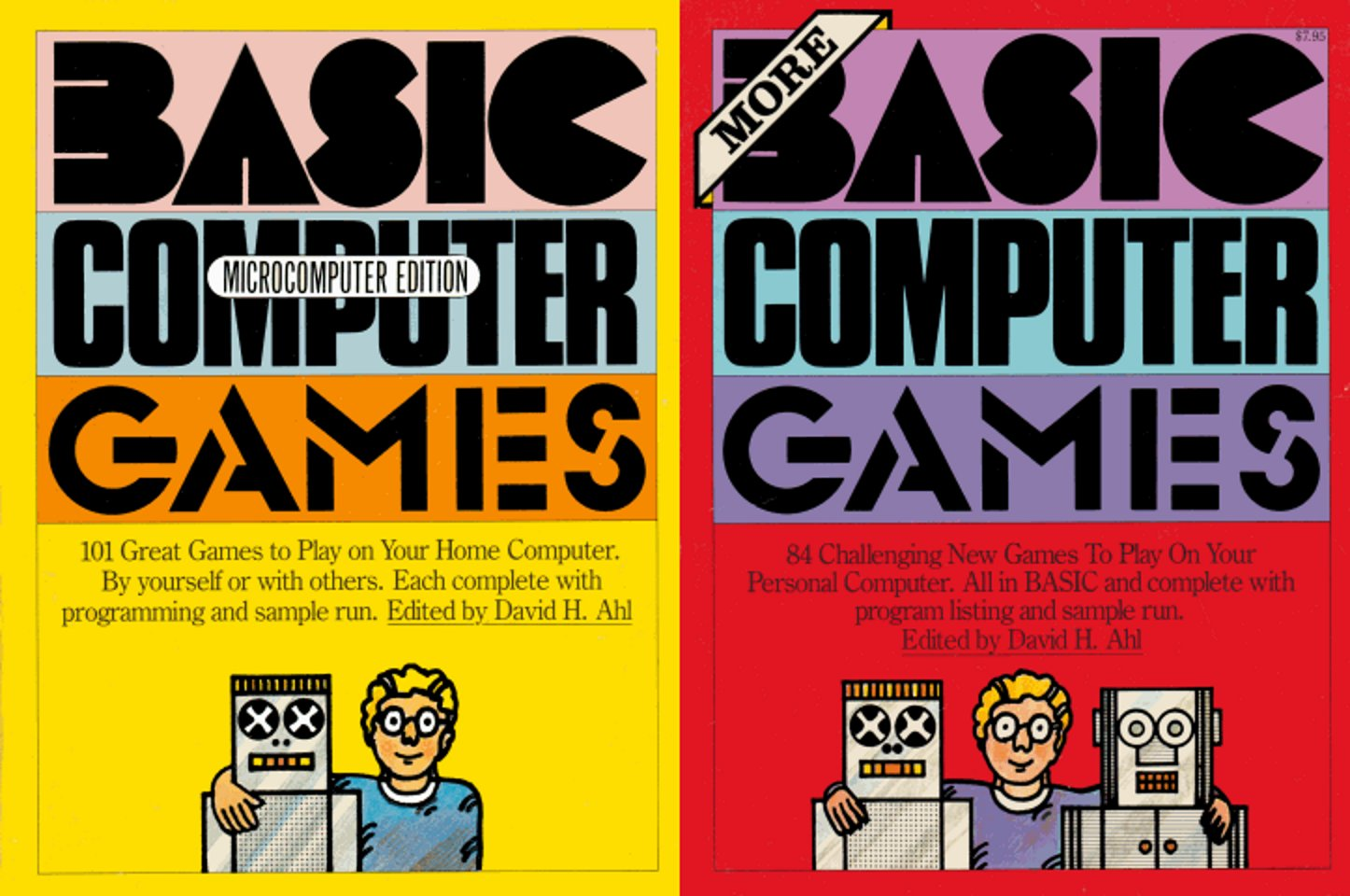
In the early days of personal computing, there was no graphical user interface, no app store, and no instant gratification. Instead, enthusiasts had to manually type programs from printed books. One book in particular—101 BASIC Computer Games—not only entertained but also launched countless careers and shaped the industry. Here are five pivotal ways this influential volume transformed computing.
1. From FOCAL to BASIC: The Porting Effort
In 1971, David Ahl took a collection of games written in the FOCAL language and painstakingly translated them into BASIC, a more accessible programming language. This porting was crucial because BASIC was becoming the standard for early microcomputers. Ahl's work ensured that these games could run on machines like the DEC PDP-8, giving hobbyists a hands-on introduction to coding. The effort laid the groundwork for the book's eventual publication by DEC in 1973, making interactive entertainment and education available to a wide audience.
2. The Pre-GUI Computer Experience
Before user-friendly desktops, computers booted to a stark command line. Without expensive cassette tape drives, owners had to input programs line by line from books. 101 BASIC Computer Games became a manual for this ritual. Typing in games like “Star Trek” or “Hammurabi” was tedious but taught patience, attention to detail, and programming logic. For many, this process was their first taste of controlling a machine through code, building skills that would become career foundations.
3. The Birth of Creative Computing
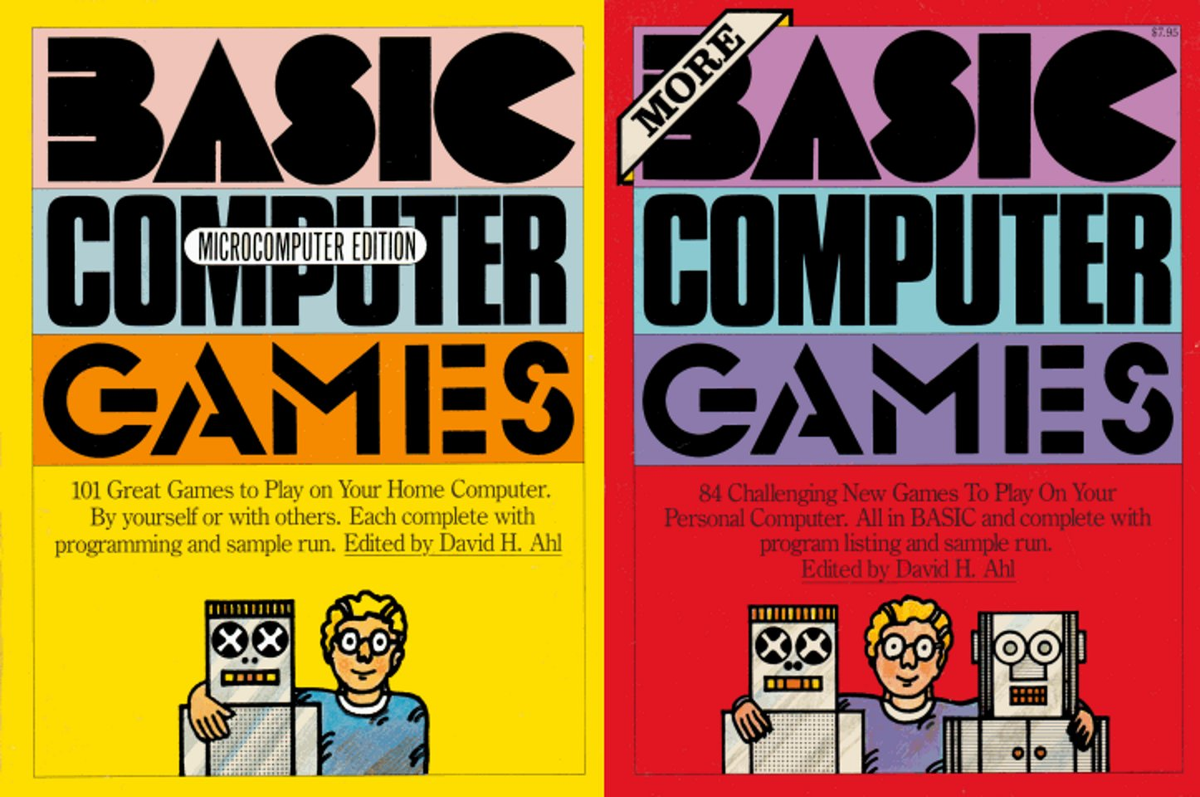
After leaving DEC, Ahl launched Creative Computing magazine in 1974. The magazine became a hub for sharing programs and ideas, and Ahl acquired the rights to 101 BASIC Computer Games from DEC. This move allowed him to republish and distribute the book widely. The magazine itself was a labor of love: Ahl edited articles, designed layouts, and even hand-pasted mailing labels. It quickly grew a loyal following, providing a community for early computer enthusiasts.
4. The Risk That Paid Off
With only 600 subscribers, Ahl gambled by printing 8,000 copies of the first issue of Creative Computing. He used all his revenue to cover the print run and then distributed the extra copies—unsolicited—to libraries and schools nationwide. This bold move required three trips to transport the magazines and weeks of hand-labeling. The strategy worked, spreading the word far beyond his initial subscriber base and cementing the book's and magazine's influence.
5. The ‘Trinity’ of Affordable Home Computers
In 1977, three landmark microcomputers—the Apple II, Commodore PET, and TRS-80—hit the market, all with BASIC built in. This made 101 BASIC Computer Games instantly usable on the most popular home machines. The book provided ready-to-run programs that demonstrated the power of these new systems. It helped transform computers from hobbyist kits into tools for creativity and learning, influencing a generation of programmers, engineers, and digital pioneers.
Conclusion
101 BASIC Computer Games was far more than a book of games. It was a gateway to programming, a catalyst for the personal computer revolution, and a testament to the power of risk-taking. From its origins in FOCAL-to-BASIC translation to its role in the success of Creative Computing and the home computer boom, its legacy lives on in every career it inspired. As we enjoy modern computing conveniences, it's worth remembering the humble lines of code that started it all.